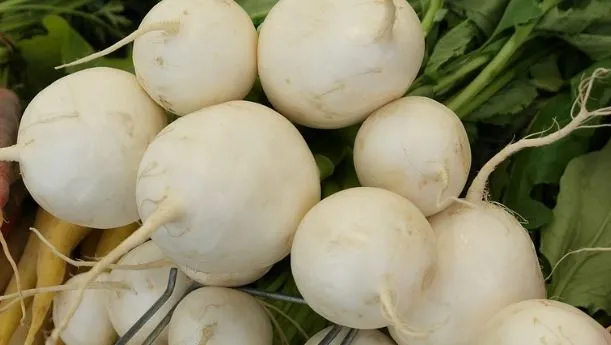
It is no surprise that these beets are truly sugar-sweet, like sugar from sugarcane.
Though not as common, the white beet is the perfect addition to a nice summer salad. This sweet beet is much cleaner and tastier than the common red beet.
Seed Count: 1.5mg approx. 95-100 seeds
Seed sowing: Direct sow seeds outdoors in spring when soil is warm enough.
If starting indoors, sow seeds in peat pots and thin seedlings to one plant per pot once true leaves appear. When seedlings reach 2-3 inches in height, thin seedlings to 4-6 inches apart once they have a few true leaves.
Seed Spacing: 1 inch apart
Row Spacing: 12-18 inches apart.
Soil conditions: Ensure well-drained soil with added compost for optimal growth.
Watering: Water regularly to maintain consistent moisture levels.
Harvesting: Pull beets from the soil when they reach a desired size, typically when they are about golf ball-sized.
Here are some tips for growing albino beets:
When to plant
Plant albino beet seeds in early spring or late summer. In warmer climates, you can plant them in pots from March to May.
Where to plant
Albino beets grow best in full sun, but can tolerate partial shade. They prefer well-drained, loose soil.
How to plant
Soak the seeds in water for two hours to soften them. Plant them 1 inch deep and 1 inch apart in rows that are 1–2 feet apart.
Watering
Water beets regularly to prevent the roots from becoming woody. Beets need about 1 inch of water per week. You can check if the soil is dry by sticking your finger in the soil near the plants.
Thinning
Thin the seedlings to 2–3 inches apart when the roots start to expand.
Harvesting
Beets can be harvested when they reach a diameter of 1 inch, which is usually after about two months. For best taste, don't let beets grow larger than 3 inches in diameter.
Saving seeds
To save seeds, the beet plants must survive the winter. In warmer climates, you can mulch the plants. In cooler climates, you can dig up the roots and store them in a cool, humid location. Plant them again in early spring. Here are some tips for growing albino beets: