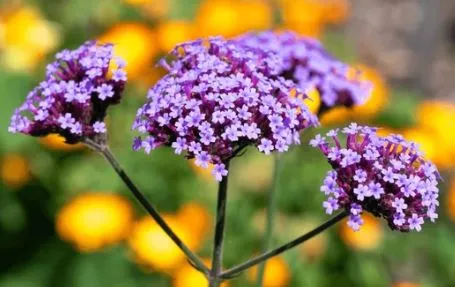
Purpletop Vervain / Verbena
Seed Count: Approx. .100mg
Common Names: Tall Verbena, Clustertop Vervain, Pretty Verbena
Life Cycle: Perennial
USDA Zones: 2-11
Stratification: Cold/Wet for 4 Weeks
Germination Ease: Stratify 4 Weeks
Sunlight: Full Sun
Height: 40 Inches
Color: Purple
Bloom Season: Blooms Early Summer, Blooms Late Summer
Uses: Attracts Pollinators, Attracts Butterflies
Starting from Seed:
- Indoor Starting: For an earlier start, sow seeds indoors 6-8 weeks before the last expected frost.
- Direct Sowing: After the last frost, you can direct sow seeds into prepared soil.
- Soil and Light: Purpletop vervain needs well-draining soil and a sunny location.
- Germination: Seeds require light to germinate, so don't bury them too deep.
- Cool Stratification: For improved germination, some gardeners recommend a 30-day cold stratification period by mixing seeds with moist sand and refrigerating them.
- Watering: Keep the soil consistently moist, but not waterlogged, during germination.
2. Planting Transplants:
- Timing: Plant after the last frost, when the soil has warmed up.
- Spacing: Space plants 12-18 inches apart to allow for growth.
- Soil and Sun: Choose a sunny spot with well-drained soil.
- Watering: Water thoroughly after planting and keep the soil moist until the plant is established.
3. Ongoing Care:
- Watering:
- Once established, purpletop vervain is fairly drought-tolerant, but regular watering during dry spells is beneficial.
- Fertilizing:
- Apply a balanced, slow-release fertilizer in spring.
- Deadheading:
- Removing faded flower spikes encourages more blooms and can prevent excessive self-seeding.
- Winter Care:
- In colder climates, consider adding a layer of mulch to protect the roots during winter.
4. Pests and Diseases:
- Powdery Mildew: Purpletop vervain can be susceptible to powdery mildew, especially in humid conditions. Ensure good air circulation and avoid overwatering.
5. Propagation:
- Self-Seeding: Purpletop vervain readily self-seeds, which can be desirable for naturalizing your garden.
- Cuttings: You can also propagate new plants from stem cuttings.